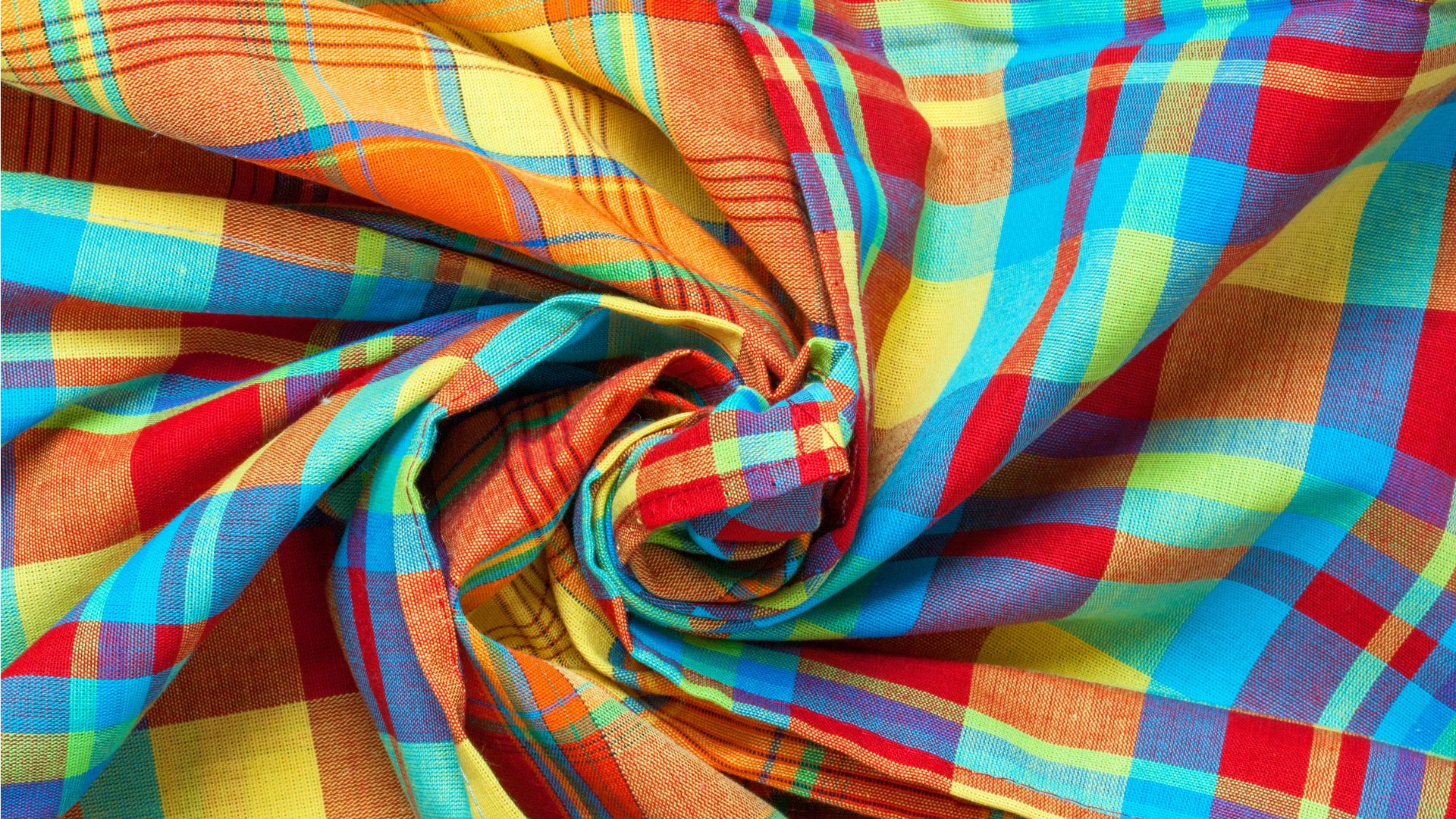
Madras in Martinique: history, tradition and Creole identity
Madras is more than a colourful fabric: it has become a strong symbol of Martinican cultural identity. Seen in traditional dress, headwraps, celebrations and cultural events, it reflects a history of circulation, adaptation and Creolisation.
The origins of madras
Madras takes its name from the former name of Chennai in India. Checked fabrics associated with this tradition circulated through trade networks linking India, Europe, Africa and the Caribbean. In the Caribbean, they were adopted, transformed and incorporated into clothing and headwraps.
Living Martinican cultural heritage
Today, madras plays an important role in Martinican heritage. It is used in traditional dresses, headwraps, accessories and decorations. It connects with other expressions of local culture, including Martinican Creole, le bèlè et la biguine.
Textile and social memory
Madras forms part of the social history of post-emancipation Caribbean societies. It became a cultural marker, particularly in traditional women’s clothing, where headwraps could carry symbolic meanings.
Between tradition and modernity
Madras is not limited to the past. Martinican designers, stylists and craftspeople continue to reinterpret it in fashion, accessories, bags and contemporary design.
Discover Martinican culture with Smartinik
Smartinik enriches its guided tours of Saint-Pierre et ses tours of northern Martinique with explanations about the history, arts and cultural identities of the region.
- the history and heritage of Saint-Pierre;
- Creole culture and Martinican traditions;
- music, language, clothing and local skills;
- local encounters and stops depending on the booked programme.