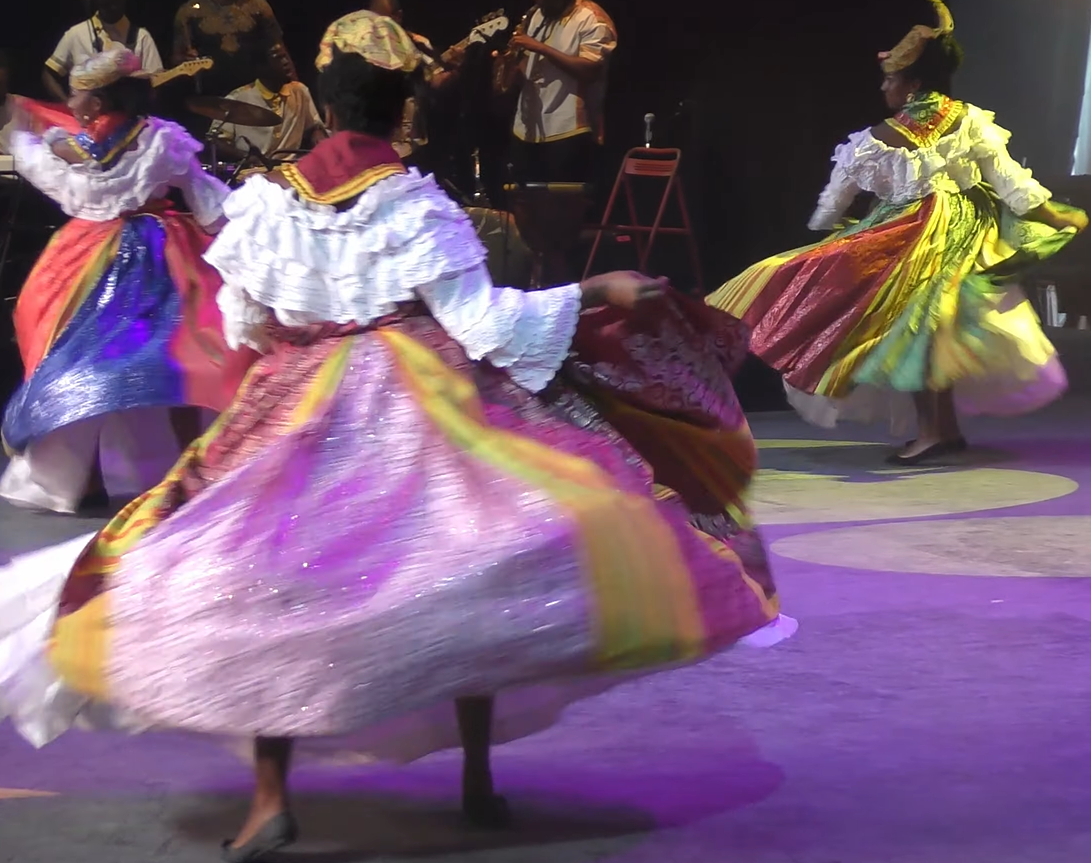
Biguine and the musical heritage of Saint-Pierre

Biguine in Martinique: history, music and the heritage of Saint-Pierre

Biguine is one of Martinique’s most emblematic musical genres. It developed in the late nineteenth century, particularly in Saint-Pierre, through a blend of African, Caribbean and European influences. It remains an important part of the musical heritage of the French Caribbean.

The origins of biguine: Africa, Europe and Creole society

Biguine developed in late nineteenth-century Martinican Creole society, where African heritage, Caribbean practices and European dances interacted.

It has links with Martinican bèlè and with European dance forms such as the polka and ballroom music.

Saint-Pierre: a major historical centre of biguine

The town of Saint-Pierre, once Martinique’s economic capital, played a central role in the history of biguine. Before the 1902 eruption of Mount Pelée, it was a major cultural centre with musicians, dances and orchestras.

Biguine developed in popular dances and gradually became an important marker of Martinican Creole society.

Creole music between tradition and modernity

Biguine is both dance music and listening music. Depending on the period and ensemble, it may combine clarinet, trombone, guitar, banjo and percussion.

Biguine gained wider visibility between the 1920s and 1950s, notably through Martinican musicians working in Paris.

Biguine as part of Martinique’s musical identity

Today, biguine remains part of Martinique’s musical heritage and can still be heard in cultural events and traditional ensembles.

It forms part of the wider history of Caribbean Creole music and continues to be performed, studied and passed on.

Discover the culture of Saint-Pierre with Smartinik

Biguine provides a way to explore social history, dances, orchestras, musical Creolisation and the cultural role of Saint-Pierre before 1902.

Smartinik enriches its guided tours of Saint-Pierre and tours of northern Martinique with explanations about local cultural and musical history.

  • the history of Saint-Pierre and its social venues;
  • Creole music, dances and orchestras;
  • connections between biguine, bèlè and Creolisation;
  • cultural heritage and the memory of the town.

Smartinik does not present concerts or music workshops as automatically included. These activities depend on artists, associations and cultural programmes.

Contact Smartinik

Vivez la Martinique autrement !

Frequently asked questions about biguine

Biguine is a Creole music and dance form that developed in Martinique through several cultural influences.

Saint-Pierre was an important cultural and musical centre before 1902 and played a major role in the development and spread of biguine.

Depending on the period and ensemble, instruments may include clarinet, trombone, guitar, banjo and percussion.


Our guarantees

Atout France

Atout France

Travel operator registration IM972260001.

APST

APST financial guarantee

Financial protection appropriate for a registered travel operator.

Hiscox

Hiscox insurance

Professional liability insurance covering the services offered.

Follow us!

Contact us