Martinique Cacao: History, Decline and Rebirth of a Premium Sector
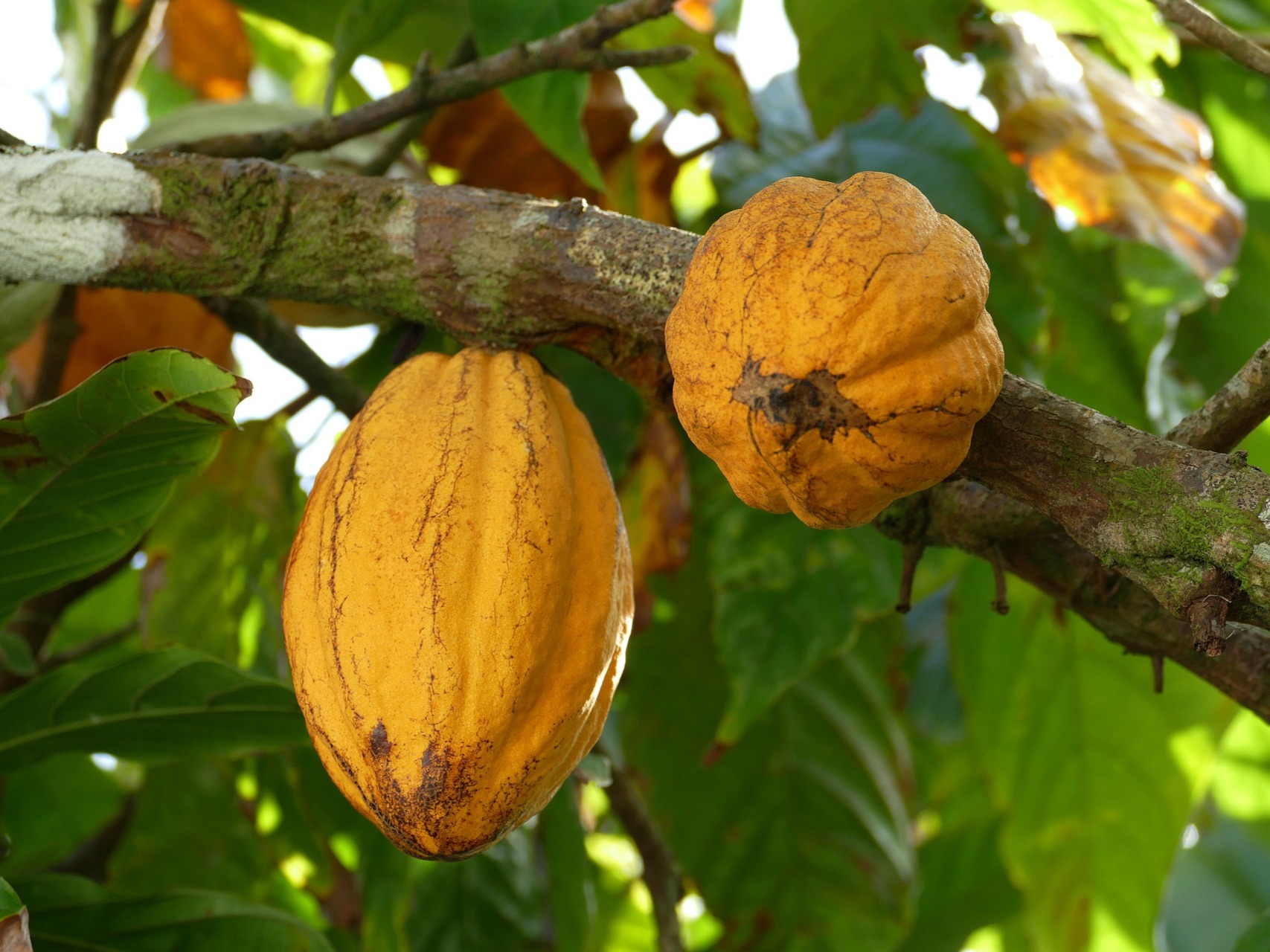
Before coffee, and long before sugar cane came to dominate the landscape, the cacao tree was one of the very first export crops of northern Martinique. Absent for nearly three centuries after a devastating epidemic, Martinican cacao is being reborn today thanks to the long-term work of the Regional Nature Park and the VALCACO association, culminating in the brand-new Cacao House, which opened in Le Lorrain. This agricultural story sits alongside other heritage of the North that Smartinik brings to life, such as legendary coffee or rum and its distilleries.
Cacao, a pioneering crop of Northern Martinique
The cacao tree is one of the very first export crops established in Martinique, grown since the second half of the 17th century. It quickly became the main export crop of the north of the island, well before coffee or sugar cane took that place. This prosperity continued until the early 18th century, making cacao a pillar of the North’s estate economy.
A brutal decline due to disease
Around 1727, a serious epidemic struck Martinique’s cacao trees and caused production to plummet. Residents of the Trinité, Capesterre and Nord-Caraïbe districts, previously focused on cacao, then turned massively to a crop that had arrived on the island a few years earlier: coffee. Cacao, once a pillar of the North’s economy, became a marginal crop for nearly three centuries, while sugar cane and then bananas took over as the dominant crops.
The revival led by the Regional Nature Park
The Regional Nature Park of Martinique (PNRM) takes a particular interest in reviving heritage agricultural products threatened with disappearance, cacao being an emblematic example. Through a workforce-integration workshop scheme (ACI), the PNRM launched the revival of this crop with a view to positioning it as a premium product for the international market. An inventory of existing cacao trees across the Park’s territory was carried out first, followed by a quality study led by the Regional Agri-Food Hub of Martinique (PARM).
This momentum took shape in 2013 with the signing of a charter between the various stakeholders in the sector, as part of the VALCACO project led by the PARM. The goal: to increase the production of quality beans and select varieties capable of building a high value-added cacao sector, in a territory with a historic cacao-growing tradition where chocolate makers are keen to source locally.
VALCACO, a premium sector shaped by its producers
The VALCACO association, chaired by Kora Bernabé, herself from a family of historic growers, today brings together the stakeholders of the Martinican cacao sector around a shared ambition: to showcase the agricultural and cultural heritage of cacao while building a genuine premium sector. Growing, processing, and derived products: the association supports growers at every stage, from planting to sale.
The Cacao House in Le Lorrain: from pod to bar
The culmination of several years of work by the VALCACO association, the Martinique Cacao House opened its doors on 28 March 2026 in Le Lorrain, in the Atlantic North of the island. This new venue invites visitors to discover the entire chocolate-making journey: from harvesting the pod to crafting premium products, including pod-breaking, fermentation, drying, roasting, grinding, conching and moulding.
The site brings together growers, processors and cacao enthusiasts around several dedicated spaces: a guided tour explaining each production step, as well as a shop where visitors can enjoy a hot or cold chocolate drink and buy single-origin Martinique chocolate bars. The project is built on sustainable agritourism, supported today by a sector that accompanies dozens of growers across the island.
Discover Northern Martinique's cacao with Smartinik
Le Lorrain, birthplace of the Cacao House, lies in the Atlantic North of Martinique, within the same broader Northern territory as Smartinik’s excursions. This cacao revival echoes that of the legendary coffee grown on the slopes of Mount Pelée: two heritage sectors now being relaunched across the same Northern territory.
Smartinik enriches its tours with explanations of the history of Martinican cacao, its ties to the economy of the North’s historic estates, and the recent momentum driven by local growers.
- history of cacao and the estates of Northern Martinique;
- decline and rebirth of the premium cacao sector;
- links between the North’s heritage sectors (cacao, coffee, rum);
- the latest from the Cacao House according to VALCACO’s schedule.
Smartinik does not systematically organise a combined visit with the Cacao House in Le Lorrain: this possibility depends on the VALCACO association’s availability and the season.

Follow us!