Sea Turtles of Northern Martinique: Caribbean Beaches, Snorkelling and Protection
At the foot of Mount Pelée, the Northern Caribbean beaches of Martinique are among the island’s most precious sites for sea turtles. Nesting, feeding, snorkelling: this exceptional natural heritage is to be discovered with respect and without any guarantee of an encounter, since these remain wild animals. This natural wealth of the North sits alongside other heritage that Smartinik brings to life, such as Mount Pelée or Saint-Pierre.
Three turtle species on the Northern Caribbean beaches
Three species of sea turtle visit the beaches of Northern Martinique: the leatherback turtle, the hawksbill turtle and the green turtle. They come to feed on the abundant seagrass beds and sponges found along this coastline, or to lay their eggs under cover of darkness.
The Prêcheur Marine Nature Reserve, a sanctuary of the North
Thanks to the mountain ranges of the North, in particular Mount Pelée, the coastline of Le Prêcheur is especially well preserved and shelters remarkable biodiversity, with more than 330 recorded marine species: colonies of elkhorn coral, a population of eagle rays, and resident or passing marine mammals. Its beaches are major nesting grounds for sea turtles, which feed here on the seagrass and sponges found in abundance.
Since 2015, the Regional Nature Park of Martinique (PNRM) has managed this Marine Nature Reserve, covering 598 hectares, which stretches from the mouth of the Rivière Trois Bras to Pointe Lamare and includes such exceptional sites as Anse Couleuvre and Anse Céron.
A nesting season monitored by volunteers
Every year, nesting season mobilises numerous volunteers and associations along the coastline. As part of the National Action Plan for sea turtles, the Asso-Mer association, mandated by the National Forestry Office (ONF) and the DEAL, monitors the beaches of Northern Martinique specifically, from Schoelcher to Anse Couleuvre in Le Prêcheur. Every four days, early in the morning, its members record any tracks left by turtles, without ever touching the nests.
Some of the North’s less-visited beaches offer turtles ideal conditions: little light, little noise and little human disturbance. Depending on the species, a turtle can lay up to 150 eggs per nest, buried as deep as 80 centimetres, with an incubation period of around 45 days.
Snorkelling and no guaranteed encounter
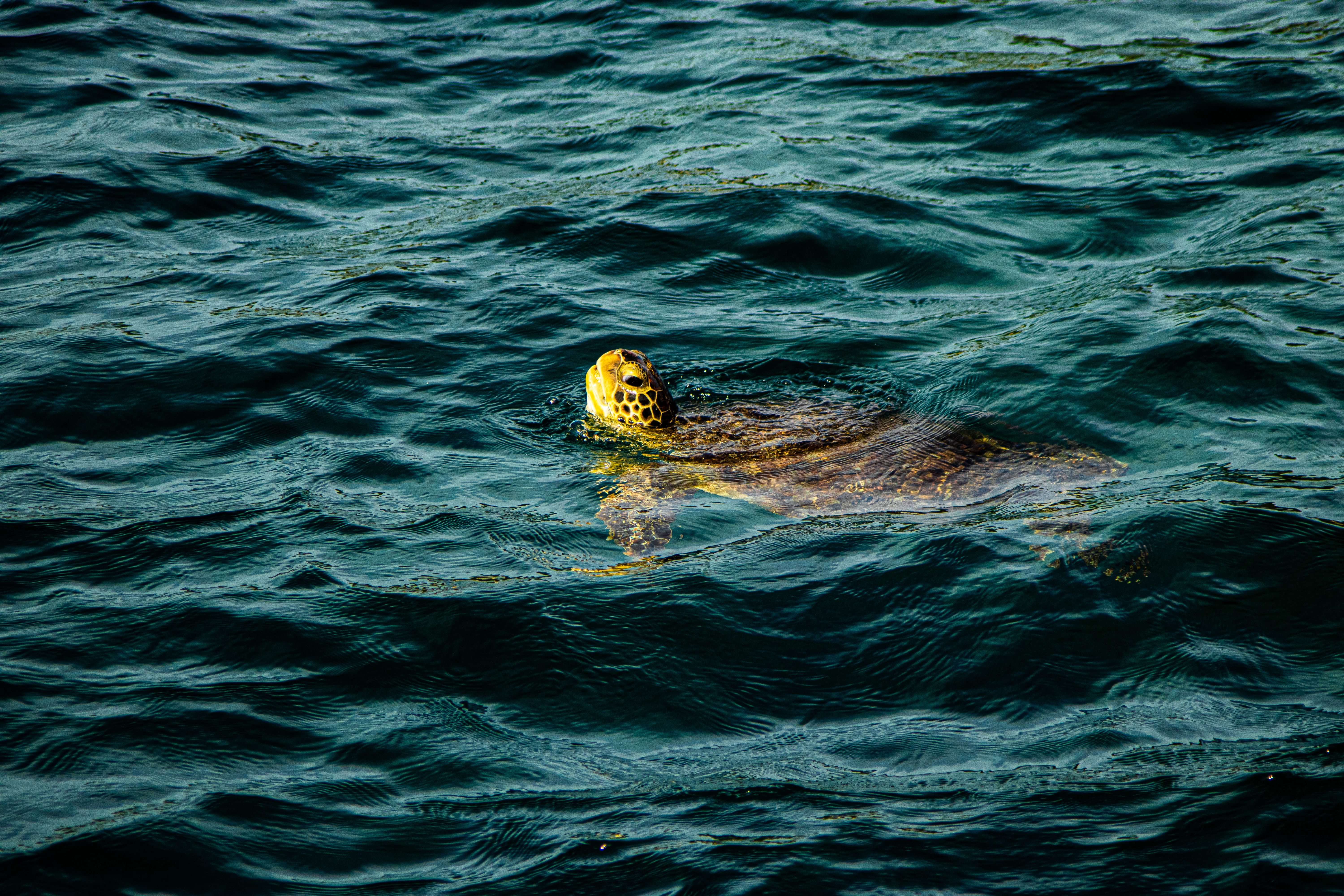
Turtles, particularly the green turtle, regularly come to feed on seagrass close to shore, which makes it possible to observe them while snorkelling from certain Northern beaches. These remain, however, free-roaming wild animals: no encounter can ever be guaranteed, and their presence depends on the season, sea conditions and how undisturbed the site is.
Good observation practices and protection
Sea turtles have been a fully protected species in the French Antilles since 1993. Any destruction, handling or disturbance is punishable by severe penalties, which can reach €150,000 in fines and several years’ imprisonment.
For respectful observation:
- stay at least 10 metres away so as not to disturb the turtle;
- turn off any artificial light source (flash, torch, car headlights);
- never touch a turtle or its eggs;
- let hatchlings make their own way to the sea, without intervening except in the event of immediate danger (predators, obstacles);
- slow down near beaches, especially at night, since artificial lighting disorients turtles and can lead them onto roads.
If you encounter a sea turtle in distress or dead, contact the Martinique Sea Turtle Stranding Network (RETOM) immediately at 06 96 23 42 35.
Discover the North's sea turtles with Smartinik
Le Prêcheur and its Marine Nature Reserve lie at the foot of Mount Pelée, within the same Northern territory as the guided tour of Saint-Pierre and the Northern Martinique excursion offered by Smartinik.
Smartinik enriches its tours with explanations of this natural heritage of the Northern Caribbean coast, the protected species that visit it, and the good practices to follow to help preserve them.
- sea turtle species and nesting cycle on the North’s beaches;
- the Prêcheur Marine Nature Reserve and its exceptional biodiversity;
- good observation practices and the role of local associations;
- snorkelling opportunities depending on the season, with no guaranteed encounter.
Smartinik does not systematically organise a snorkelling outing dedicated to sea turtle watching: this possibility depends on the season, conditions, and strict compliance with the rules protecting the species.



Follow us!