Atoumo and Rimèd Raziyé: Martinique's Traditional Creole Plant Medicine
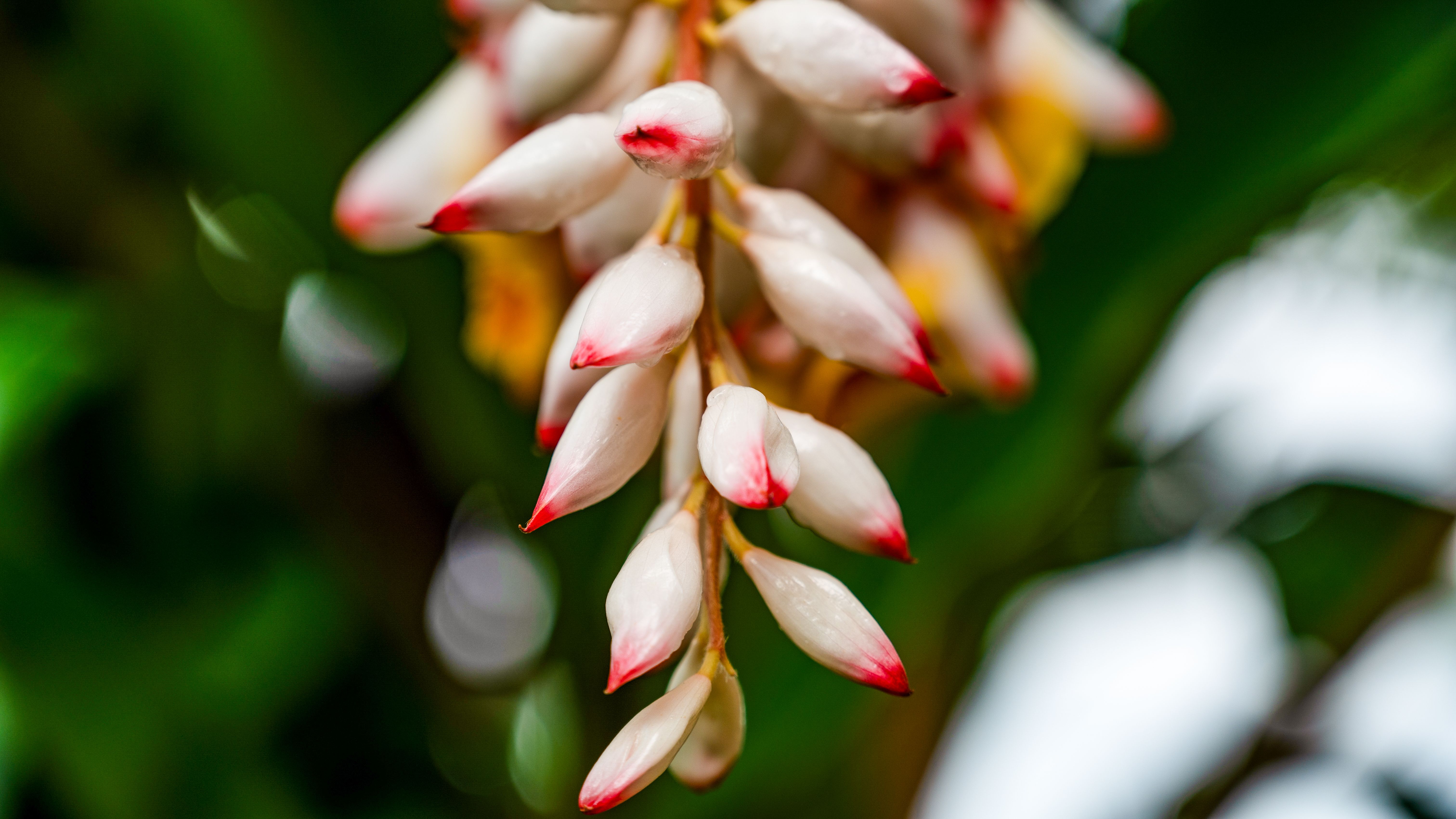
Long before pharmacies existed, Martinicans were already treating themselves with the plants from their Creole gardens. This knowledge, known as rimèd raziyé, is a little-known yet very much alive part of the island’s heritage, passed down from generation to generation. Atoumo, a plant found in almost every garden in Martinique, is one of its symbols. This tradition sits alongside other agricultural and cultural heritage of the North that Smartinik brings to life, such as cacao and the Cacao House or legendary coffee.
A heritage from the island's first inhabitants
The rimèd raziyé tradition draws on the very earliest history of Martinique. The Kalinago, the island’s first Amerindian inhabitants, already used certain plants for medicinal purposes, but also for cultural and ritual ones. Tobacco and chilli pepper, for example, were not simply wild seeds found on the spot: they were shaped and selected by the Kalinago according to a genuine cultural and civilisational direction, for both medicinal and ritual use.
This Amerindian heritage now underpins an exhibition at the pre-Columbian archaeology museum devoted to the Kalinago contribution to what is known in Creole as “Medsin Raziyé”.
Knowledge passed down through the pain of colonial history
The other root of rimèd raziyé lies with the African populations enslaved during the colonial period. For them, plants were far more than a simple remedy: a wise and caring companion, a repository of memory for a society that endured the very worst atrocities of that dark period. It is from the meeting of these different contributions, Kalinago, African, but also European, that today’s Martinican rimèd raziyé was born.
A living, regulated and studied pharmacopoeia
Martinique’s traditional pharmacopoeia today includes around 1,200 recorded plants. Among them, atoumo, “brisée” and “gros thym” are emblematic plants whose sale as a remedy is regulated and restricted to pharmacies.
In 2009, as part of setting up a micro agri-medicinal sector, 15 Martinican plants were selected for inclusion in the French pharmacopoeia, alongside around fifteen plants proposed by each of the other French overseas departments (Guadeloupe, French Guiana, Réunion).
The TRAMIL network, a research programme applied to traditional folk medicine in the Caribbean basin, carried out surveys in Martinique between 1990 and 1995 to identify traditionally used medicinal plants and their applications. This work notably gave rise to “Rimèd Raziyé”, a practical book in Creole intended for first aid.
Passing on rimèd raziyé today, in the North
This transmission is actively continuing in Northern Martinique. The Regional Nature Park of Martinique (PNRM) regularly organises “Alcoolature” workshops at Domaine d’Émeraude, in Morne-Rouge, led by pharmacist and ethno-pharmacologist Emmanuel Nossin. These workshops teach participants how to identify and harvest medicinal plants, then macerate them in alcohol to extract their active compounds.
Other events, such as webinars devoted to the Kalinago heritage of medicinal plants, bring together pharmacists, anthropologists and defenders of the Creole garden to keep this plant memory of the territory alive and pass it on.
Discover the North's rimèd raziyé with Smartinik
Morne-Rouge, where the PNRM workshops are held, lies at the foot of Mount Pelée, within the same Northern territory as the guided tour of Saint-Pierre and the Northern Martinique excursion offered by Smartinik. This rimèd raziyé tradition echoes those of cacao, discoverable at the Cacao House, and legendary coffee grown on the slopes of the same volcano.
Smartinik enriches its tours with explanations of this traditional pharmacopoeia, its Kalinago and African roots, and its transmission by local stakeholders of the territory.
- history and roots of rimèd raziyé in Martinique;
- Kalinago and African heritage within Creole pharmacopoeia;
- links between the North’s heritage sectors (rimèd raziyé, cacao, coffee);
- the latest workshops according to the PNRM’s and speakers’ schedules.
Smartinik does not systematically organise participation in the Alcoolature workshops or a dedicated discovery session: this possibility depends on the PNRM’s schedule and availability.



Follow us!